Ethereum’s 2027 Hegotá Upgrade to Allow Gas Payments Without Holding ETH

TL;DR
- Hegotá upgrade (2027) will enable gas fees to be paid with non‑ETH tokens.
- Ethereum Foundation highlights two must‑ship EIPs, including EIP‑8141.
- Protocol Cluster releases a tiered roadmap, signaling long‑term scalability focus.
Overview of the Hegotá Upgrade
Ethereum’s roadmap includes a major upgrade slated for 2027, known as Hegotá. The core change announced by multiple outlets is the ability for users to settle transaction fees with tokens other than the native ETH, such as stablecoins. This design is intended to reduce the friction for newcomers who would otherwise need to acquire ETH before interacting with the network (Cryptobriefing). By broadening the set of acceptable fee assets, the upgrade could make the platform more accessible while also influencing the long‑term demand dynamics for ETH as the primary gas currency.
Key Proposals and Priorities
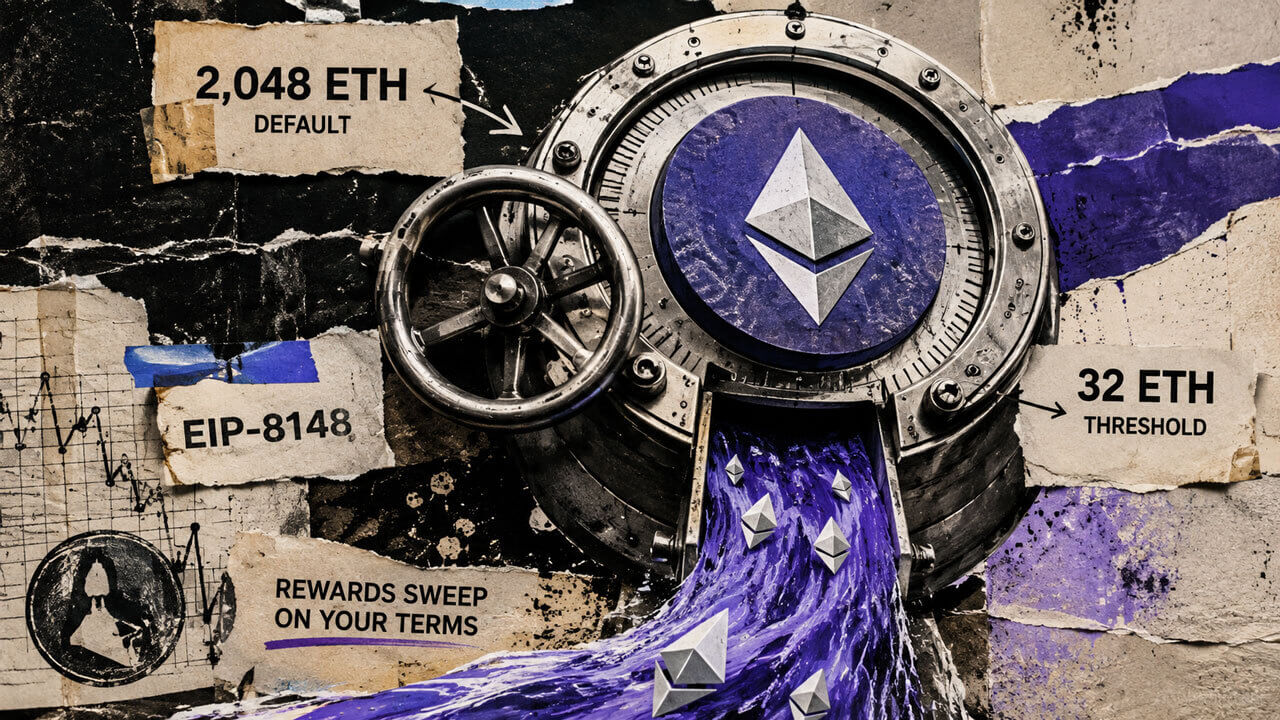
The Ethereum Foundation has identified two “must‑ship” Ethereum Improvement Proposals (EIPs) for the Hegotá release. While the specific proposals were not detailed in the source, the emphasis on mandatory inclusion underscores the upgrade’s technical significance (Cointelegraph). One of those proposals, EIP‑8141, originally introduced as a quantum‑resistant security measure, directly addresses the gas‑payment flexibility by allowing transactions to be paid without holding ETH (Decrypt). In parallel, Protocol Cluster published a tiered list that ranks and prioritizes the various EIPs slated for Hegotá, offering developers a clearer view of the roadmap and reinforcing the network’s commitment to decentralization and scalability (Cryptobriefing).
Implications for Users and ETH Demand
Allowing gas fees to be paid with stablecoins or other tokens could lower the entry barrier for users unfamiliar with cryptocurrency markets, potentially expanding Ethereum’s user base (Coingape). However, analysts note that this shift may alter the economic incentives that currently drive demand for ETH, since the token’s primary utility as a fee‑payment medium would be partially decoupled (Cryptobriefing). The broader impact on ETH’s price or network security remains uncertain, but the upgrade is positioned as a step toward a more user‑friendly and resilient ecosystem.
Overall, the Hegotá upgrade represents a coordinated effort among the Ethereum Foundation, core developers, and research groups to modernize fee mechanics while maintaining the network’s security and scalability goals.
This article was reconstructed from public reporting with AI assistance and is for informational purposes only — not financial advice. See our editorial policy.