Coldcard Exploiter Moves $7.7 Million in Third Wave of Attacks
TL;DR
- The attacker transferred $7.7 million in Bitcoin, representing 45% of the total funds stolen during the third wave of the exploit.
- Galaxy reports that the perpetrator is using privacy-enhancing services, specifically THORChain and CoinJoin, to launder the assets.
- The systematic movement of these funds has raised concerns regarding potential market sell-side pressure and self-custody security.
Escalation in Coldcard Security Breach
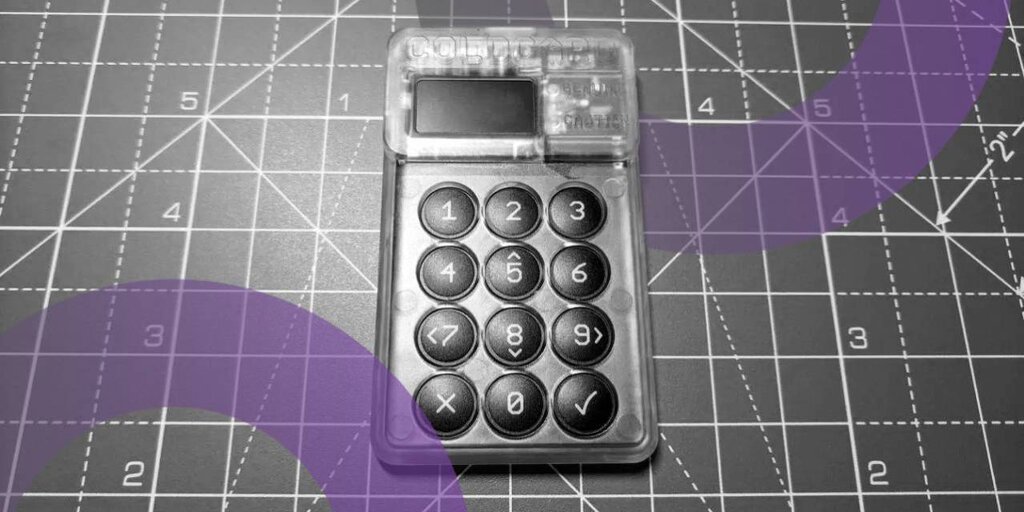
A sophisticated actor responsible for a series of exploits targeting Coldcard hardware wallets has initiated a significant movement of stolen assets. According to reports, the attacker has successfully transferred $7.7 million worth of Bitcoin, which accounts for 45% of the total capital seized during the third wave of the ongoing security breach. This development marks a critical escalation in an incident that has prompted broader discussions regarding the safety of self-custody solutions and the resilience of institutional security protocols.
Laundering Tactics and Asset Obfuscation
Data provided by Galaxy indicates that the perpetrator is actively attempting to obscure the trail of the stolen capital. The attacker has been observed utilizing privacy-enhancing tools, including THORChain and CoinJoin, to move the funds. By distributing the stolen Bitcoin into smaller, decentralized vaults, the exploiter is systematically working to liquidate the assets while complicating efforts by investigators to track the illicit flows. The scale of the breach is significant, with reports identifying approximately 1,800 BTC involved in the series of attacks.
Market and Security Implications
The movement of these funds has drawn attention to the persistent vulnerabilities within hardware wallet management. As the attacker continues to offload the stolen capital, analysts are monitoring the situation for potential downward pressure on Bitcoin prices. The systematic liquidation of such a large volume of assets could theoretically increase sell-side pressure in the broader crypto market.
Beyond the immediate financial impact, this incident serves as a stark reminder of the risks associated with self-custody. The ability of the attacker to successfully move and launder nearly half of the stolen funds highlights the ongoing challenges regulators and security firms face in tracing illicit crypto transactions. As the situation evolves, the security community remains focused on the implications for user trust and the long-term viability of current hardware wallet security standards.
This article was reconstructed from public reporting with AI assistance and is for informational purposes only — not financial advice. See our editorial policy.
Related
:quality(82)/19bb5ede567a4ce4a1788fe96d1a25fd) Prediction Markets Gain Retail Momentum Amid Legal and Regulatory Shifts
Prediction Markets Gain Retail Momentum Amid Legal and Regulatory Shifts Zcash Reaches New Milestones Amid ETF Growth As Standard Chartered Expands UAE Services
 Wall Street Deepens Footprint in Crypto, AI Finance and Coinbase Governance
 Shifting Trends in Tokenized Assets and Decentralized Trading Platforms