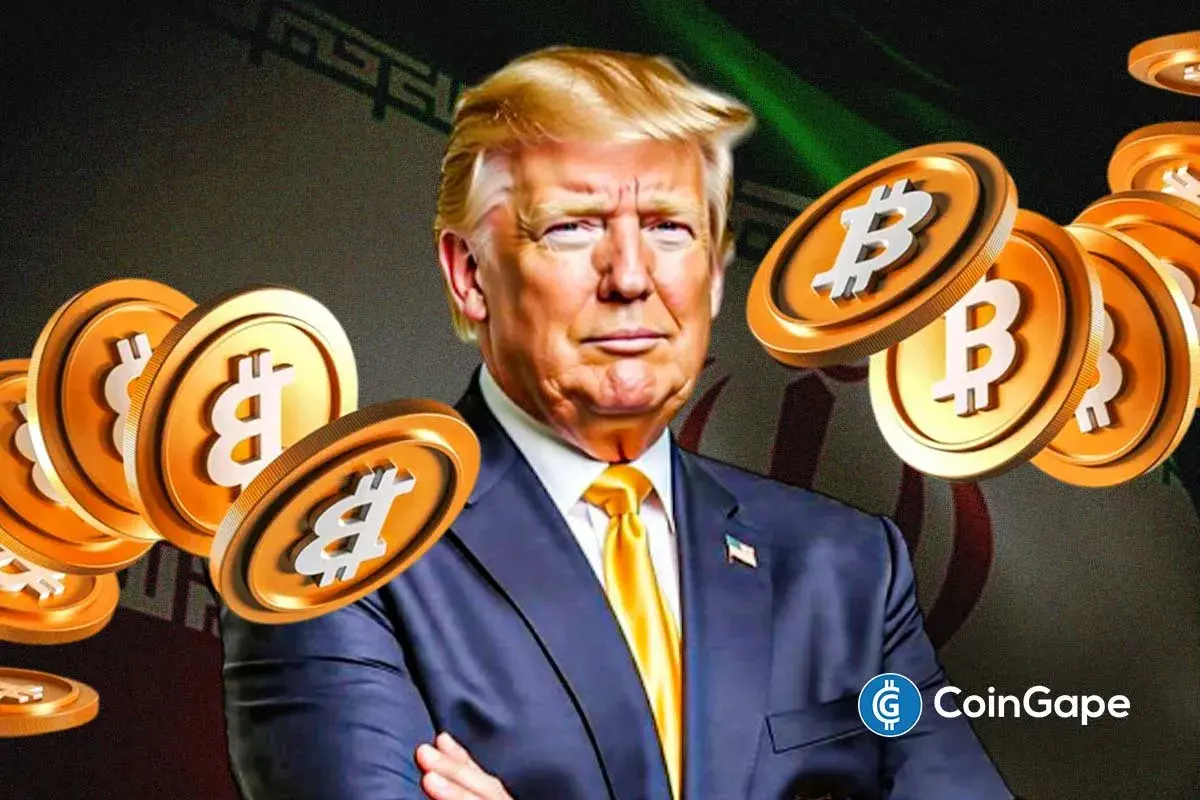
US-Iran Geopolitical Tensions Escalate as Trump Threatens Infrastructure and Oil Prices Rise
TL;DR
- President Trump has threatened to target Iranian civilian infrastructure and power plants if a deal is not reached.
- Iran's Revolutionary Guard has warned it could halt all Middle East energy exports and implement further seaway blockades.
- The escalating conflict has triggered a rise in global oil prices and introduced heightened volatility to financial markets.
Escalating Threats and Infrastructure Targets
Geopolitical tensions between the United States and Iran have intensified significantly following a series of aggressive declarations and military actions. According to reports from CryptoBriefing, US President Donald Trump has issued a stern warning to Iran, threatening to target the nation's civilian infrastructure and power plants if a diplomatic agreement is not established by next week. This escalation coincides with the United States resuming its blockade and launching airstrikes, marking a severe downturn in regional stability.
In response to the renewed American blockade, Iranian authorities have issued their own retaliatory warnings. Iran has threatened to implement additional seaway blockades, which could severely restrict maritime traffic in critical shipping lanes. Furthermore, Iran's Revolutionary Guard has warned that it possesses the capability to halt all energy exports from the Middle East, a move that could disrupt global supply chains.
Impact on Global Energy and Financial Markets
The friction between the two nations has already begun to reverberate through global commodity markets. Oil prices have climbed as a direct consequence of the escalating tensions and the threat of strikes on energy installations. Analysts note that the prospect of disrupted energy supplies is causing widespread concern among market participants, leading to heightened volatility across traditional financial sectors.
This geopolitical instability is also expected to influence the digital asset ecosystem. As global market uncertainty rises, investor sentiment may shift, potentially driving increased volatility within the cryptocurrency markets. Historically, such macroeconomic shocks prompt investors to reassess risk, sometimes leading them to seek alternative safe-haven assets to hedge against traditional market fluctuations and potential humanitarian crises.
This article was reconstructed from public reporting with AI assistance and is for informational purposes only — not financial advice. See our editorial policy.
:quality(82)/becd2f7ebaa64290a330e9977a0ad593)
:quality(82)/c3123ebbaf0e42e999c95f959f052e0d)