Middle East Geopolitical Tensions Escalate in Strait of Hormuz Impacting Global Markets
TL;DR
- Military conflict between the US and Iran has intensified in the strategic Strait of Hormuz.
- Iran claimed responsibility for destroying US radar installations located in Bahrain.
- Global oil prices surged by more than 3% following attacks on supertankers in the region.
Escalation in the Strait of Hormuz
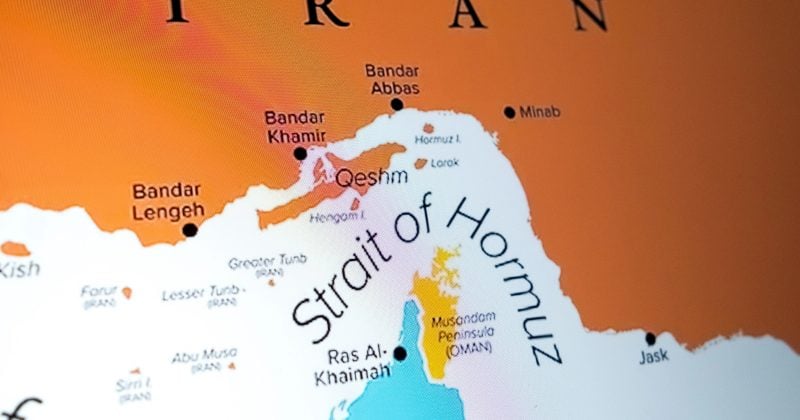
Geopolitical tensions have intensified significantly in the Middle East as a conflict between the United States and Iran escalates within the Strait of Hormuz. According to reports from CryptoBriefing, the growing confrontation is directly impacting global oil trade routes and raising concerns over international maritime security. The Strait of Hormuz remains one of the world's most critical transit chokepoints for energy transport, making any disruption highly consequential for international commerce.
Military Strikes and Tanker Attacks
In a notable escalation of the 2026 conflict, Iran has claimed to have destroyed United States radar systems stationed in Bahrain. This development threatens to further destabilize security across the Gulf region. Alongside these targeted strikes, Iranian forces have launched attacks on supertankers navigating the Strait of Hormuz. These actions have heightened the immediate risk of wider military engagement and threatened the continuous flow of global oil supplies.
Market Reactions and Economic Impact
The military hostilities have triggered immediate reactions across global financial and commodity markets. Crude oil prices experienced a sharp increase, jumping by more than 3% as a direct consequence of the rising tensions in the shipping corridor.
This geopolitical instability is expected to drive broader market volatility and influence investor sentiment globally. Analysts note that such disruptions often lead to a shift in capital toward safe-haven assets. While traditional markets grapple with supply chain uncertainties, the ongoing crisis could also have a ripple effect on the cryptocurrency market, particularly influencing digital assets that investors turn to during periods of macroeconomic instability.
This article was reconstructed from public reporting with AI assistance and is for informational purposes only — not financial advice. See our editorial policy.
:quality(82)/9d5c09f1fe96436f87d4113cfcef7c71)