Trump Administration Shifts Focus to Economic Warfare Against Iran
TL;DR
- The Trump administration is prioritizing economic warfare over military action to pressure Tehran.
- New measures specifically target financial links between Dubai and Iran to disrupt regional trade.
- Bitcoin has demonstrated price stability near $69,000 despite the ongoing geopolitical tensions.
Strategic Pivot to Economic Pressure
The United States government is transitioning its strategy regarding Iran, moving away from direct military engagement in favor of intensified economic warfare. According to Vice President JD Vance, this shift represents a deliberate move to utilize financial leverage as the primary tool for influencing Tehran’s behavior. The administration’s approach comes as the conflict remains in a state of deadlock, with officials seeking to break the stalemate through systemic economic constraints.
Targeting Regional Trade Networks
Central to this new phase of the strategy is the disruption of financial and commercial conduits that support the Iranian economy. Reports indicate that the Trump administration is specifically targeting trade relationships between Dubai and Iran. By pressuring these regional hubs, the U.S. aims to isolate Tehran further and diminish its access to international markets. This strategy has been accompanied by public criticism from Donald Trump directed at various allies, as the administration expresses frustration over the persistence of the conflict and the perceived lack of cooperation in enforcing these economic measures.
Market Response and Bitcoin Stability
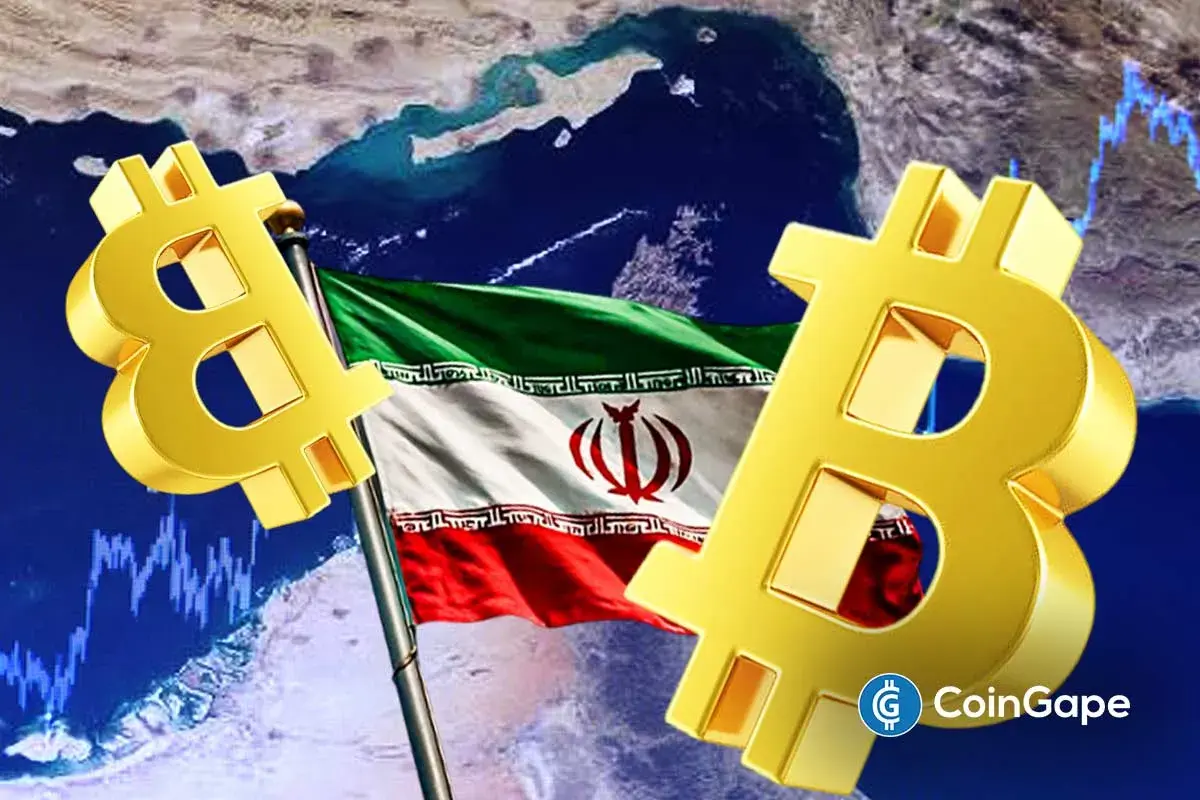
Despite the heightened geopolitical uncertainty surrounding these developments, the cryptocurrency market has shown notable resilience. Bitcoin has maintained its position near the $69,000 threshold, according to Coingape. While the broader geopolitical landscape remains volatile due to the fragile ceasefire and the ongoing diplomatic friction between the U.S. and its international partners, the digital asset has not experienced a significant sell-off in response to the announcement of these new economic policies. Analysts continue to monitor how these escalating financial sanctions might influence global market sentiment and investor behavior in the coming weeks as the administration solidifies its new foreign policy framework.
This article was reconstructed from public reporting with AI assistance and is for informational purposes only — not financial advice. See our editorial policy.
:quality(82)/9d5c09f1fe96436f87d4113cfcef7c71)