US Eases Export Controls on Advanced AI Chips and Drones for UAE

TL;DR
- The US government has eased export controls on advanced chips and drones for the UAE.
- The policy shift aims to strengthen technological and security ties between the two nations.
- The decision could accelerate the deployment of high-performance AI infrastructure in the Middle East.
A Strategic Shift in Tech Export Policy
The United States government has eased its export controls on advanced semiconductors and military-grade drones destined for the United Arab Emirates (UAE). This policy adjustment represents a notable shift in how the US manages the distribution of highly sensitive technologies to the Middle Eastern region, as reported by CryptoBriefing.
Historically, the US has maintained stringent limits on the export of high-performance computing hardware, particularly advanced artificial intelligence (AI) chips, due to national security concerns and the risk of unauthorized technology transfer. The relaxation of these rules suggests a growing trust and a deepening strategic partnership between Washington and Abu Dhabi.
Boosting AI and Defense Capabilities
By lowering the barriers to acquiring advanced silicon, the UAE is positioned to accelerate its domestic artificial intelligence initiatives. The country has been actively investing in building robust digital infrastructure and developing localized AI models. Access to top-tier processors will allow UAE-based enterprises and state-backed entities to train more sophisticated models and expand their data center capacities.
In addition to semiconductor technology, the revised guidelines cover military-grade unmanned aerial vehicles (drones). This aspect of the policy shift is expected to bolster the UAE's defense capabilities and enhance bilateral security cooperation with the US.
Geopolitical and Market Implications
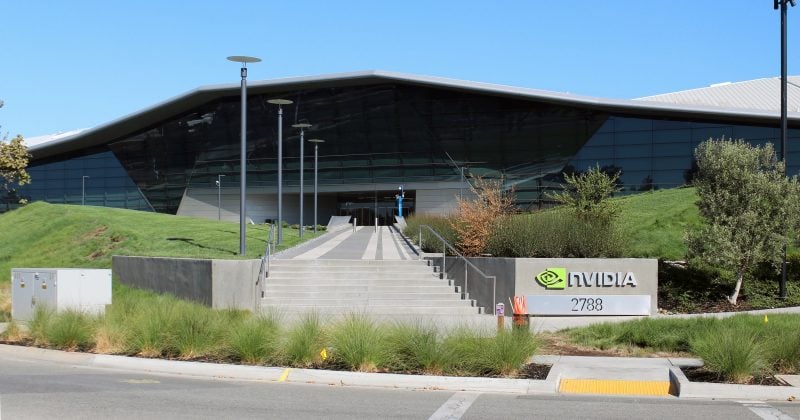
The decision comes amid intense global competition for AI supremacy, where access to advanced hardware from manufacturers like Nvidia and AMD is a critical bottleneck. By securing a more direct pipeline to US technology, the UAE strengthens its position as a primary technological hub in the Gulf region.
However, the easement is expected to come with specific compliance and monitoring frameworks. The US is likely to require assurances that the exported technologies will not be re-exported to restricted jurisdictions, such as China, which has been a central concern for US regulators aiming to safeguard proprietary Western technology.
This article was reconstructed from public reporting with AI assistance and is for informational purposes only — not financial advice. See our editorial policy.