Geopolitical Tensions and Infrastructure Damage Threaten Iran's Crypto Sector as Markets React
TL;DR
- Iran's Revolutionary Guards claimed missile strikes near a US air base in Qatar, causing Bitcoin to drop near $63,000.
- US military strikes on Iranian power infrastructure have triggered an energy crisis, threatening Iran's $7.8 billion crypto ecosystem.
- The UK has introduced a new legal framework targeting the IRGC, introducing fresh compliance challenges for the crypto industry.
Geopolitical Conflict Triggers Market Volatility
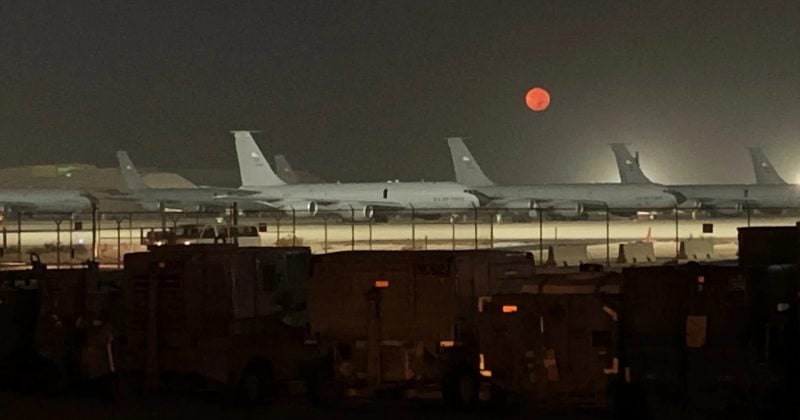
Global financial and cryptocurrency markets experienced sudden volatility following military escalations in the Middle East. Iran's Islamic Revolutionary Guard Corps (IRGC) claimed responsibility for launching missile strikes targeting the Al Udeid Air Base, a major US military installation located in Qatar. Reports of an explosion near the Qatari airbase quickly rattled investor confidence.
In the immediate aftermath of the strikes, the price of Bitcoin fell toward the $63,000 mark. Simultaneously, traditional energy markets reacted sharply, with crude oil prices climbing to $80 per barrel. According to reports from 99bitcoins, the downward pressure on Bitcoin was further compounded by recent comments regarding China made by Donald Trump, intensifying the negative market sentiment.
Domestic Power Crisis Threatens Iranian Mining
Beyond the immediate market reaction, Iran's domestic cryptocurrency infrastructure is facing severe operational threats. Recent US military strikes targeted at Iranian power infrastructure have severely damaged the nation's electricity grid. This disruption has triggered a widespread energy crisis across the country.
This power shortage directly threatens Iran's domestic cryptocurrency ecosystem, which is valued at approximately $7.8 billion. To cope with the damaged infrastructure, local authorities have been forced to implement strict energy conservation measures. Industry observers note that these power limitations are highly likely to disrupt local Bitcoin mining operations, potentially leading to a significant contraction in Iran's overall digital asset activity and affecting the global mining hash rate.
Regulatory Pressure Mounts on the IRGC
Adding to the geopolitical and operational hurdles, the international regulatory landscape is tightening around Iranian entities. Great Britain has established a new legal framework specifically designed to target the IRGC.
This updated British regulatory regime is expected to introduce complex compliance challenges for global cryptocurrency firms. Digital asset service providers will need to navigate stricter screening and compliance protocols to ensure they do not facilitate transactions associated with the sanctioned military group, further isolating the Iranian crypto sector from the global financial system.
This article was reconstructed from public reporting with AI assistance and is for informational purposes only — not financial advice. See our editorial policy.
Related
 Sberbank Projects Significant Crypto Trading Volume Following Russian Regulatory Shift
 Russian Banking Giant Sberbank Explores Crypto-Collateralized Lending
 Ninth Circuit Court Rules Against Kalshi in State Betting Jurisdiction Dispute
 Tornado Cash Developer Roman Storm’s Retrial Rescheduled for April 2027