Fasset Reaches Unicorn Status Following Strategic Investment From SBI Holdings
TL;DR
- Fasset achieved a $1 billion valuation after receiving capital from SBI Holdings.
- The funding is earmarked to support the expansion of Fasset’s stablecoin-based payment infrastructure.
- Industry players like Banxa are simultaneously working to streamline stablecoin checkout processes.
Strategic Investment and Valuation Milestone
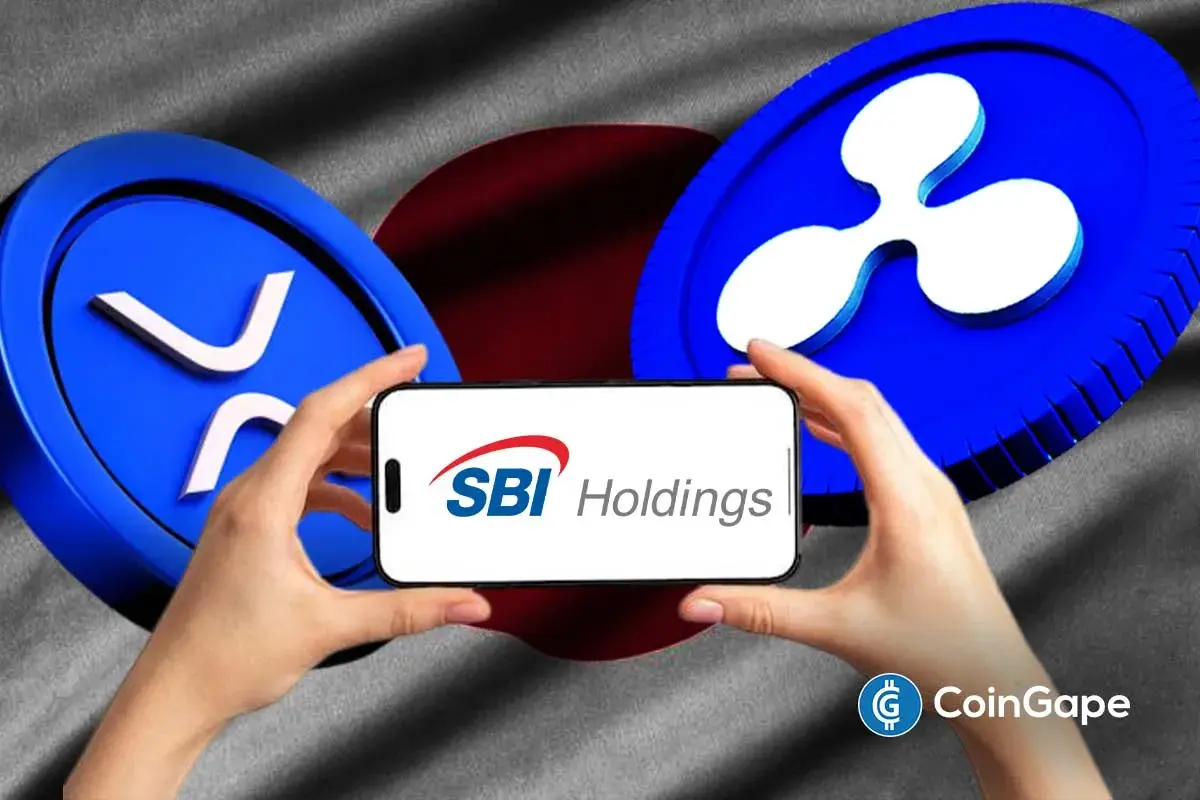
Fasset, a digital asset platform, has officially reached a $1 billion valuation, marking its entry into unicorn status. This financial milestone follows a significant strategic investment from the Japanese financial services conglomerate SBI Holdings. The capital injection is intended to bolster Fasset’s ongoing efforts to scale its payment solutions, specifically those centered on stablecoin technology. Fasset operates primarily within the United Arab Emirates, positioning itself to leverage the region's growing interest in digital asset integration.
Expanding Stablecoin Utility
The partnership highlights a broader industry trend toward making digital asset transactions more practical for everyday use. Fasset’s focus remains on utilizing stablecoins to facilitate cross-border and local payment flows. By securing backing from SBI Holdings—a firm with a long-standing history of collaboration with Ripple—Fasset aims to accelerate its infrastructure development. This move aligns with the increasing institutional interest in integrating blockchain-based payment rails into traditional financial ecosystems.
Industry Context and Payment Innovation
While Fasset focuses on regional expansion, other entities are working to solve the friction associated with digital asset checkouts. Banxa, for instance, is actively developing systems designed to make stablecoin payments "invisible" to the end user. The goal for such firms is to remove the technical complexities of crypto-native transactions, allowing them to function seamlessly within standard e-commerce environments.
These developments occur alongside broader regional shifts in crypto adoption. According to Cointelegraph, other parts of Asia are also seeing increased activity, such as Korean banking institutions exploring Ripple’s payment technology and Pakistan initiating new licensing frameworks for digital asset service providers. Collectively, these events underscore a global push to formalize and integrate stablecoin payment systems into the mainstream financial landscape, moving beyond speculative trading toward functional utility.
This article was reconstructed from public reporting with AI assistance and is for informational purposes only — not financial advice. See our editorial policy.

:quality(82)/f76a8352ebff49dcb9d1ed1861eb1b6c)

:quality(82)/d62bfa60d9cf4ec9aeb89ffdef249ee8)