Bitcoin Climbs to $69,500 Amid US Treasury Buyback Strategy and Market Volatility
TL;DR
- Bitcoin price reached $69,500 following the liquidation of over $400 million in short positions.
- The US Treasury has doubled its debt buyback program to stabilize long-term bond yields amid rising federal borrowing.
- BlackRock reaffirmed its long-term conviction in Bitcoin, noting that past 50% price corrections have not altered the asset's investment thesis.
Market Response to Treasury Policy
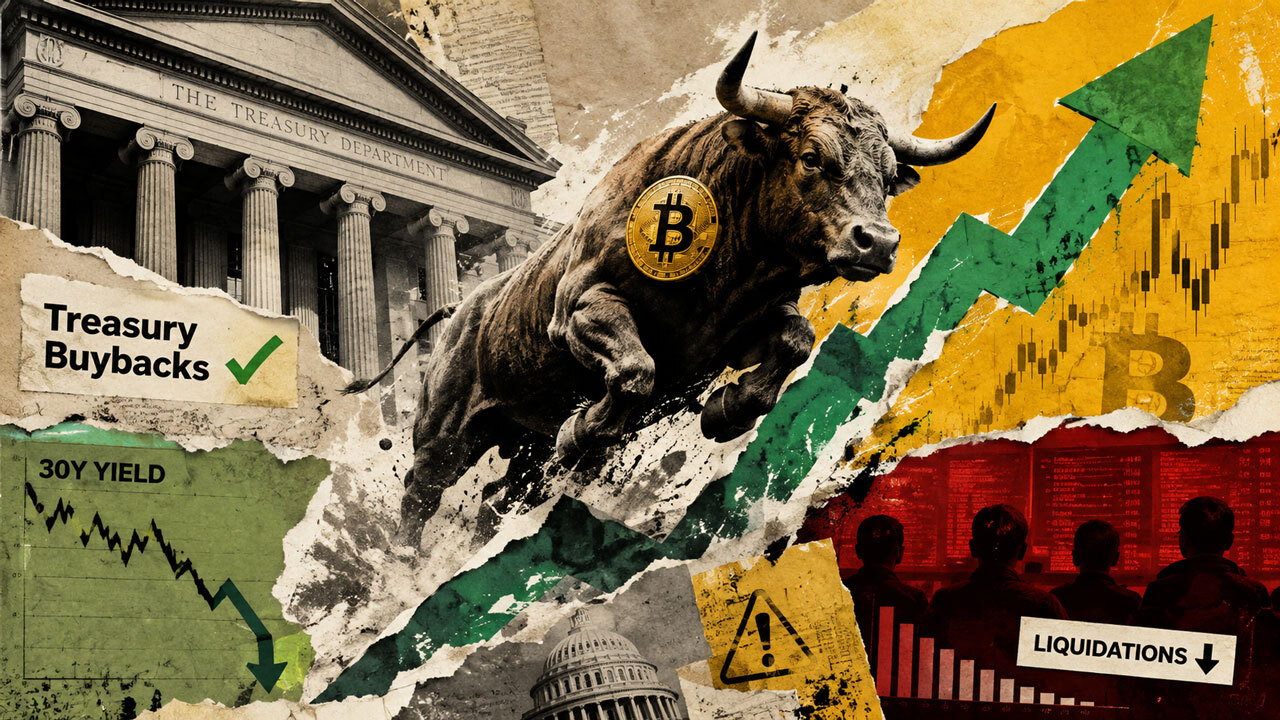
Bitcoin recently climbed to the $69,500 level, a move accompanied by the liquidation of more than $400 million in short positions, according to CryptoSlate. This price action coincides with a strategic shift by the US Treasury, which has doubled its debt buyback program. The initiative is designed to manage and suppress long-term bond yields, which have faced upward pressure due to increased federal borrowing requirements.
The broader macroeconomic environment remains complex, as rising US Treasury yields continue to influence global financial outlooks. Reports from Crypto Briefing indicate that the impact of these yield movements extends to international markets, noting that the Japanese Government Bond (JGB) yield curve has flattened in response to the shifting US fiscal landscape. These adjustments reflect ongoing efforts by policymakers to navigate the challenges posed by high borrowing costs and the need for debt market stability.
Institutional Perspective on Volatility
While the crypto market reacts to these macroeconomic shifts, institutional sentiment remains focused on long-term trends. BlackRock has publicly addressed the asset's historical price fluctuations, specifically noting that past instances where Bitcoin experienced a 50% plunge did not undermine their long-term investment case, as reported by CryptoPotato. This stance highlights a divergence between short-term price volatility—often driven by liquidations and fiscal policy adjustments—and the institutional view of Bitcoin as a persistent asset class.
As the US Treasury continues its efforts to tame long-dated bond yields through increased buyback activity, market participants are closely monitoring how these fiscal interventions interact with digital asset performance. The interplay between federal debt management and speculative trading remains a primary driver of current market dynamics, with institutional players continuing to evaluate the asset's role within broader portfolios despite the inherent risks of short-term price swings.
This article was reconstructed from public reporting with AI assistance and is for informational purposes only — not financial advice. See our editorial policy.